
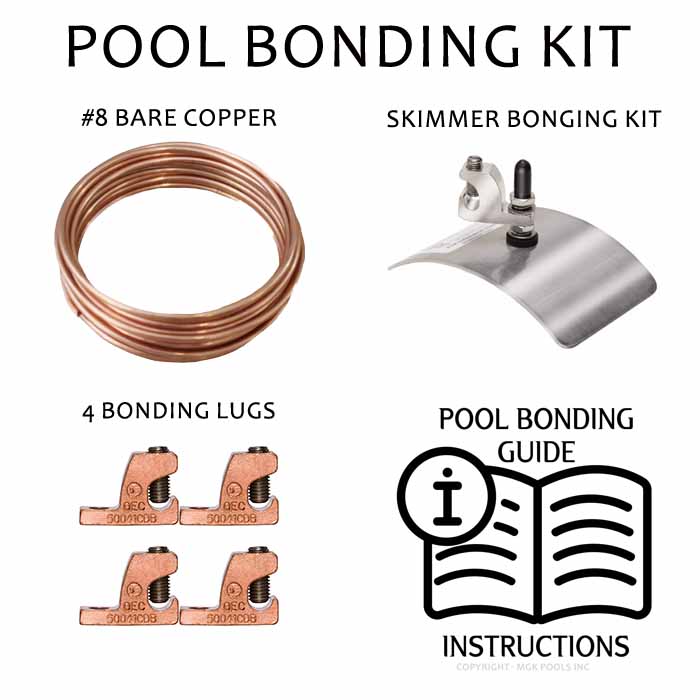
Bonding an above ground, semi inground, or inground swimming pool is all pretty much the same. First I will explain the process, then break down the steps, and help you figure out what supplies you need for your pool.
⚡ Before You Continue: Pool Bonding is Required by Law
NEC 680.26 requires all permanent above ground pools to be bonded. No bonding = failed inspection.
Electricians charge $1,500+ for this. You can do it yourself in an hour for $209 — we’ve already sized the kit for your pool.
We put a kit together with everything you need to bond an Above Ground pool based on the size of your pool, Click here. Our packages assume your pool pump and electrical service is within 6 feet of the pool wall. if you need more copper choose a larger package.
In the video below I teach you about bonding your above ground pool.
Pool Bonding Basics
Essentially you have to ground everything: the pool water, the metal pool wall, the earth around the pool, pool pump and other equipment, including any metal around the pool like a metal deck, handrails etc., you thus create a field of safety.
The way we do this is by connecting all these things together with a number 8 bare copper wire in a unbroken continuous loop. All pumps come with a bonding lug to connect the bonding wire too. Most equipment does too, like heaters and heat pumps. Filters are plastic so no need there.
Also, this is a great way to protect your pool from stray electrons which accelerates oxidation, whether you bought a pool rated in my top 10 best above ground pools or a lets say not as robust pool, bonding is a great way to protect your family and your investment!
How To Bond An Above Ground Swimming Pool
- Determine how much #8 bare solid copper wire you will require for the job and how many bonding lugs. For round pools, take the diameter of your pool and add two feet, then multiply by 3.14, finally add 25 feet to that. If you have a metal deck consider adding another 20 feet to touch it in two to three spots.
The skimmer bonding plate and the pump come with bonding lugs so you may only need four more to connect to the pool frame or wall. - Gather supplies: Acquire a skimmer bonding plate, #8 solid bare copper wire, and enough bonding lugs to attach the wire at every point.
- Dig a trench twelve inches from the pool wall and six inches deep to lay bonding wire.
- Install Water Bonding plate in skimmer Your new bonding plate will come with instructions. The type I order from amazon requires me drilling a 3/16th hole.
- Attach bonding lugs to pool
You will need some hardware to attach the bonding lugs as they do not come with any. They want you to use a bolt and nut to attach lugs to the frame or pool wall. Doing that requires drilling a hole, so I usually use a stainless self-tapping screw and have only been made to replace them once with the “required” hardware. I don’t like putting holes in the pool wall, so I’ll usually connect to the bottom wall track or any other metal framing. - Connect copper wire to all points Example: Your pool pump power dedicated GFI service outlet has a ground coming from your homes electrical breaker box /panel. NOW connect your bare number 8 copper wire to that service at the plug (make sure power is off) without breaking the wire, run a continuous loop one foot from the pool wall down 6 -8 inches in the earth all the way around the pool touching the pool in four spots (use bonding lugs), come up to your water bonding plate in the skimmer, come back down and go to your pump and any other equipment and then complete back near the beginning creating an unbroken loop.
Above Ground Pool Bonding Supplies
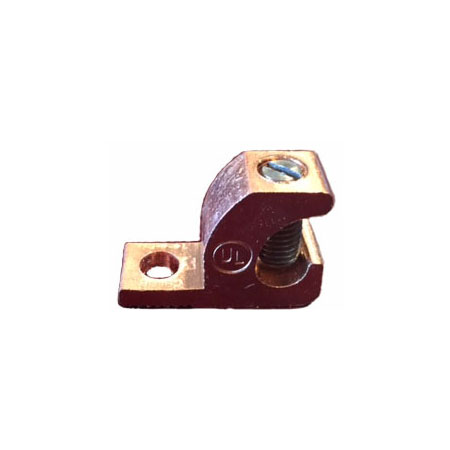
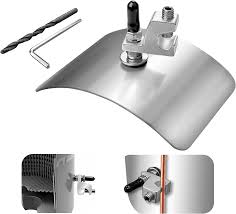
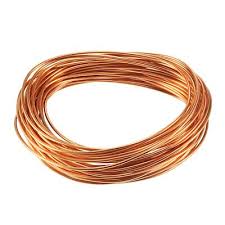
Ready to bond your pool? We’ve got complete kits starting at $209 — pre-sized for your pool, free shipping.
Shop Bonding Kits →Bonding Inground Pools & Semi-Inground Pools
The only difference is how we bond the patio /deck, and how you bond the water.
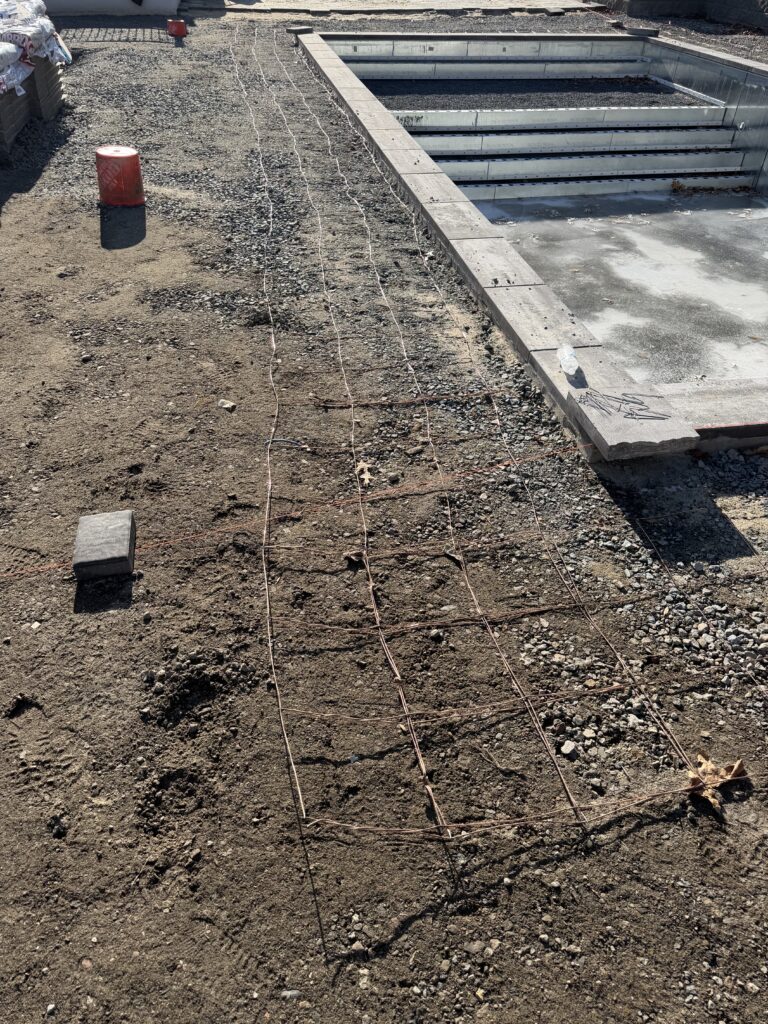
They want you to bond the bottom of the pool wall with the #8 copper wire hitting the wall in four places and also bring up a loop in the four corners that will later be mechanically connected to the bonding wire or mesh for deck /patio.
If you’re pouring cement, you can run bare #8 wire in and out of the rebar grid. HOWEVER, if you are using patio stone pavers, they now require a three foot copper mesh under the pavers, I would use it under concrete to as the steel will rust and rot eventually. Some electricians are charging way to much for this mesh, I am guessing its because they haven’t taken the time to source it at a fair price.
Electricians charge up to $4,500 to bond an inground pool. Our complete kit has everything you need — do it yourself in an hour for $945.
Get the Inground Bonding Kit →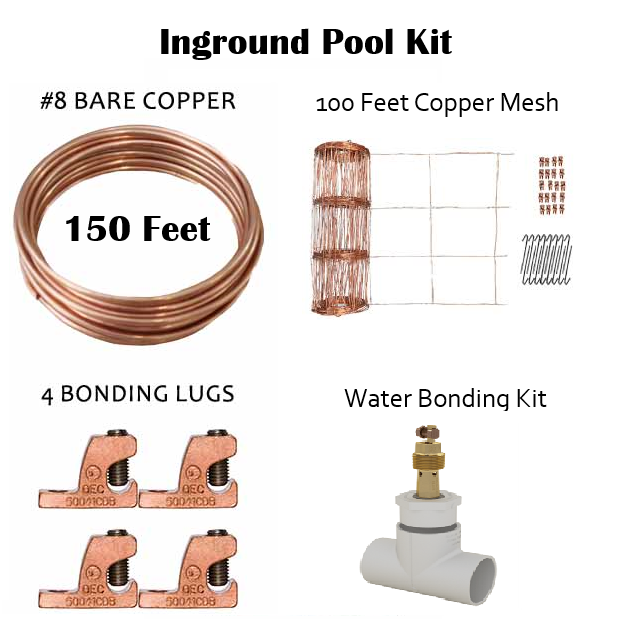
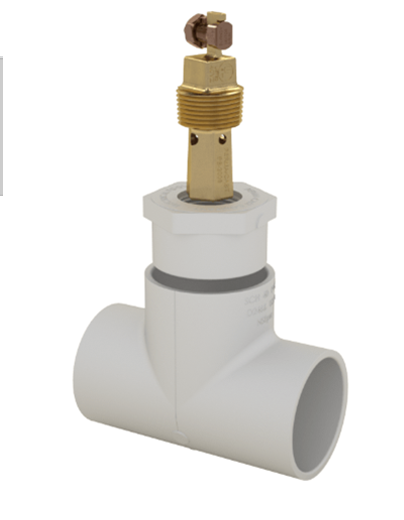
To bond the water, you will need a NPT water bonding fitting and a piece of PVC as seen in picture below
Q: Why do you have to bond an above ground swimming pool?
A: Bonding your pool is a safety measure to prevent accidentally getting electrocuted or seriously injured. You need to create a field around your swimming pool by attaching the bonding wire to the metal deck, pool equipment, metal pool wall, and even the water. By doing this you prevent those around the pool, or those in the pool from being able to reach a different potential.
Lastly, it is the law! Local state and federal building codes require all permanent above ground pools to be correctly bonded. “Modern electrical codes (NEC 680.26) require equipotential bonding for pools. According to the U.S. Consumer Product Safety Commission, there were 33 electrocution deaths in pools and spas between 2002-2018—many caused by improper bonding or grounding.”
Q: What is Pool Bonding
A: A lot of people mistakenly call this grounding the pool; While that is partially true, bonding is a little different. It’s creating a field of neutrality. Have you ever seen a bird land on power lines and wondered why the bird wasn’t electrocuted? It’s because the power does not pass through the bird, and this is why we bond above ground swimming pools, to prevent getting electrocuted.
If the bird could reach a different potential, like a ground wire or a wire with a different current/potential, then current would flow through the bird, and it would fry like a piece of Kentucky Fried Chicken, maybe Popeyes for you Southerners.
The bird would act like a connector creating a link from one potential to another.
Imagine you had one hand on the swimming pool or in the pool water, and your other hand was touching a pool pump that was electrically shorting out, you could get hurt or dead. Having the field or bonding wire keeps everything neutral.
Q: Do I need to drive a grounding rod into the ground to bond a pool?
A: No! That’s the old method, now you start at the electrical service with #8 bare copper wire and do a continuous loop around the pool 12-18 inches from the wall, touching it in 4 spots, touching the water bonding plate, and touching the pump. it needs to be buried 6-8 inches from the surface and return to where you started the loop to close loop. that’s it. This way ties the system into the home electrical service panel which does have a grounding rod.
Q: How long does it take to bond an above ground pool?
A: Less than an hour
Q: How much does it cost to bond a pool?
A: I got recent quotes from a couple electricians I know and recommend often (December 2025). For above ground pools $1250.00-$1500.00, for inground pools $2500.00 – $4000.00. This does not include power service, just bonding
We Sell a Complete Electricians Grade Bonding Package Based on your above ground pool size. Click Here
Conclusion – How to Bond An Above Ground Pool
Water and electricity are a dangerous combination, installing a pool bonding wire helps mitigate the danger. Even if you have a temporary pool like an Intex pool, please take the time to put in a proper dedicated GFI Plug/Outlet and bond the earth, the pool and equipment.