
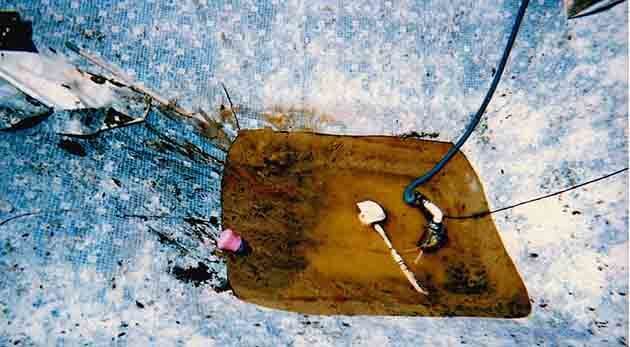
Repairing Your In-Ground Swimming Pool Main Drain Pipe
If you’re reading this, you’ve probably got water disappearing from your pool faster than evaporation can explain, and you suspect the main drain line. Good news: this repair is often easier than you think—and here’s why most pool owners (and even some pool companies) get it wrong.
I’m assuming you have an in-ground pool with a deep end of at least 6 feet and a main drain at the bottom. That’s the standard setup here in Massachusetts and across the Northeast. If you have an on-ground pool like a Gibraltar, the only honest advice I can give you is to replace your liner and dig up the entire line while you’re at it. For everyone else, read on.
Diagnosing a Main Drain Line Leak
Before you start digging, you need to verify the main drain line is actually your problem. We do this by removing the main drain cover, plugging the line with a special extra-long test plug, and pressure testing the line. If the line won’t hold pressure, you’ve confirmed the leak.
PRO TIP* Many inground pools have a hydrostatic valve, especially cement pools, it is in under the main drain cover next to the main drain line. This valve lets water into the pool when ground pressure is high, this keeps the shell from cracking or your liner from floating. When the spring is weak it may not close, or debris could hold it open.
Signs pointing to a main drain leak:
- Water loss exceeds the bucket test (evaporation vs. leak)
- Air bubbles appearing in your pump basket or returns when the pump runs only from main drain line, (skimmer is off)
- Wet or soggy spots in the yard between your pool and equipment
- Pool loses water faster with the pump running than with it off (sometimes). As it is a suction line small cracks can actually close when running the pump.
- You can disconnect the main drain line from the system, plug it at the bottom of the pool, if the leak stops you know its the problem.
Important safety note: Pressure testing pool plumbing can be dangerous and should be performed by pool service professionals. You risk severe injury when pressurizing pool plumbing lines. This isn’t something to take lightly—I’ve seen what happens when things go wrong.
Why This Repair Is Easier Than You Think
Here’s what most people don’t understand: you don’t have to replace the whole line (usually), just repair the leak. And if this line used to hold pressure (meaning the leak developed over time rather than being a construction defect), the leak is almost certainly within four feet of the surface or pool deck.
Why four feet? That’s the frost line here in Massachusetts. The frost line is how deep the ground freezes in winter. Below that depth, your pipes are protected from freeze damage. Above it? That’s where the trouble happens. When water freezes it expands and plastic PVC doesn’t stand a chance.
What Causes Main Drain Leaks
In 30+ years of pool work, I’ve seen the same story play out hundreds of times: the main drain line wasn’t winterized properly.
What happens is one of two things:
- The line never got blown out properly during closing
- The valve meant to lock air in the line was bad or leaky
When water sits in that line and freezes, it expands. Above ground, a frozen pipe blows apart—sometimes into pieces. Underground, the soil contains the pressure, so instead of an explosion, you get a thin crack. That crack is your leak. 9 time out of ten its at a 90 degree elbow joint.
Other causes include ground movement (soil settling, frost heave, or nearby construction), poor original installation (bad glue joints or improper fittings), and age-related deterioration in older pools. Many times as the ground settles, rocks rise up.
Finding the Leak
This is where experience and the right tools matter. Here’s the professional approach:
- Plug the drain end and pump water into the line from the filter area
- Introduce pressurized air into the water-filled line at a controlled rate
- Listen for the leak—escaping air bubbles through water-soaked ground make a distinct rumbling sound
- Use electronic detection equipment to pinpoint the location
Professional leak detection has come a long way since I started in this business. Modern hydrophone technology (underwater microphones) and electronic ground probes can pinpoint leaks with remarkable accuracy. Companies like LeakTronics and Anderson Manufacturing make equipment that lets technicians hear exactly where air is escaping underground. You want to buy my old equipment let me know, i don’t use it any more.
DIY alternative: If you don’t have electronic equipment, you can stick a long screwdriver into the ground and place your ear on the shaft, working from the filter area toward the pool. It’s old school, but it works. Listen for the rumbling of escaping air bubbles. When you find the loudest spot, that’s where you dig.
Hopefully, the leak isn’t under a concrete deck. If it is, you’ll need to cut the deck to access it. That’s an added expense, but still better than replacing the entire line.
Repairing the Line
Once you’ve located and exposed the leak, the actual repair is straightforward PVC work:
- Cut out the damaged section of pipe (give yourself working room)
- Prepare replacement pieces using schedule 40 PVC (minimum requirement in Massachusetts and most states)
- Dry-fit everything before gluing
- Prime and glue all connections—let it cure fully before testing
- Pressure test the repair before backfilling
- Backfill and restore the area
Pro tip: Standard plumbing suppliers often don’t carry pool-specific fittings. Head to your local pool supply store for repair couplings and fittings designed for these applications. The right fittings make the job easier and last longer.
Modern Repair Alternatives: Trenchless Technology
If your leak is in a difficult location—under decking, through landscaping, or in an area where excavation would be extremely disruptive—there’s a newer option worth knowing about: trenchless pipe repair using systems like Pipepoxy.
This technology uses a three-part epoxy system that’s applied from inside the pipe, coating and sealing cracks without digging. It works on pipes from 1″ to 2.5″ diameter (covering most pool plumbing) and can navigate 90-degree turns. The epoxy cures in about four hours and creates a new pipe surface inside your existing pipe.
Trenchless repair isn’t cheap and requires professional equipment and training, but it can save thousands in deck replacement or landscaping restoration costs. Worth asking about if your situation warrants it. you are never going to match concrete!
Preventing Future Leaks
The best repair is the one you never have to make. Proper winterization is everything:
- Blow out lines completely—water must be expelled, not just pushed around. You should see air coming through the bottom of the pool.
- Use quality winterizing plugs that seal properly under pressure
- Check valves annually for wear and proper function | I use brass ball valves not plastic.
- Add pool antifreeze to lines as extra insurance in severe climates
- Hire a professional if you’re not confident—the cost of proper closing is nothing compared to freeze damage repair
I sell the Brass ball valves on this site, and extra deep PVC connectors, unions elbows, etc. Use the search bar at the top of the page for plumbing.
Frequently Asked Questions
Q: How much does it cost to repair a pool main drain leak?
A: Main drain leak repair typically costs $500 to $1,500 for straightforward repairs. Professional leak detection runs $100 to $500 additional. If the leak is under concrete decking or requires extensive excavation, costs can reach $2,000 to $4,000. Full main drain replacement (worst case) ranges from $4,000 to $8,000. The good news? Most frost-line leaks are accessible repairs that fall on the lower end of that range. Don’t call me for service, i don’t do it anymore.
Q: Why do pool main drain lines leak?
A: The most common cause is improper winterization. When air isn’t properly blown through the main drain line during pool closing—or when the valve holding that air fails or a plug pops out—water fills the line. In freezing climates, that water expands as ice and cracks the PVC pipe. Underground, this usually creates a thin crack rather than a pipe explosion. Other causes include ground movement, soil settling, improper original installation, or simple age-related deterioration.
Q: Can I repair a pool main drain leak myself?
A: Diagnosing the leak (pressure testing) should be left to professionals due to safety risks—pressurized pool plumbing can cause serious injury. However, once located, the actual pipe repair is often a manageable DIY project if you’re comfortable with PVC plumbing. You’ll need to excavate to the leak, cut out the damaged section, and glue in new schedule 40 PVC fittings. Pool-specific fittings from a pool supply store work better than standard plumbing store parts. If the leak is under concrete or in a difficult location, call a pro. OR, plug it and buy a nice automatic pool cleaner.
Q: How do I know if my pool main drain line is leaking?
A: Classic signs include: consistent water loss that exceeds normal evaporation (do the bucket test), air bubbles in your pump basket or return lines, wet spots in your yard between the pool and equipment pad, or the pool losing water faster when the pump is running. To confirm, a professional will plug the main drain with a special long plug and pressure test the line. If the line won’t hold pressure, you’ve got a leak.
Recommended Products for DIY Leak Detection & Repair
If you’re tackling diagnosis or repair yourself, here are the tools that actually work:
For Leak Detection:
- Pool Pressure Test Kit – Essential for confirming leaks. Look for kits with 1.5″ and 2″ test plugs, pressure gauge, and air/water adapter. Available on Amazon for $50-$100.
- Leak Detection Dye – Red or blue dye syringes help visualize water movement around suspected leak areas. Anderson Manufacturing and other brands available for under $20.
- Winter Expansion Plugs – Rubber #8 and #9 plugs for isolating lines during testing. Keep a variety pack on hand.
For Repair:
- Schedule 40 PVC Pipe and Fittings – Match your existing pipe diameter (usually 1.5″ or 2″). Get repair couplings specifically designed for pool applications.
- PVC Primer and Cement – Don’t skimp here. Use pool-grade or heavy-duty PVC cement rated for pressure applications.
- Fix-A-Leak – For minor hairline cracks (up to 1/8″ diameter), this can be a last-resort temporary solution before proper repair. Not a replacement for real repairs, but can buy you time.
For Winterizing (Prevention):
- Pool Line Blower – More effective than shop vacs for clearing water from lines. The Big Blue Blower and similar products provide consistent low-pressure air flow.
- Gizzmo Skimmer Plugs – Protect skimmers from ice damage during winter.
- Pool Antifreeze – Non-toxic propylene glycol formula for extra freeze protection in lines.
Related Reading
- Pool Pump Repair vs. Replace – What’s Worth Fixing?
- Winter Damage to Above Ground Pools: Fix It or Need a New Pool?
- How Often Should I Clean My Pool Filter?
- How to Clean a Green Pool Fast – The Method Most People Don’t Know
- How to Bond Above Ground & Inground Pools – Safety Guide