
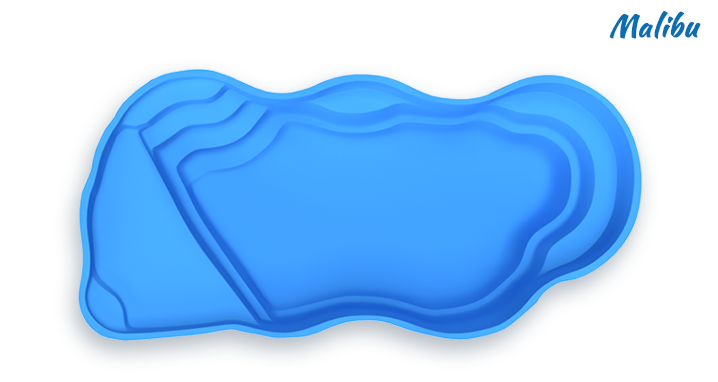
Fiberglass inground swimming pools cost about 30k less than gunite (cement) pools, and about 5-15k more than a vinyl inground pool. The best is definitely gunite if you have the budget, then fiberglass, then vinyl. Why do I say this? I say it because I don’t have an agenda. I sell them all, and I want you to be as informed as possible.
As a company that offers all three, I wanted to talk about a trend I’ve seen in the last three years or so. Some pool companies are charging cement pool prices for vinyl pools.. Lets be clear, people buy vinyl because they cant afford better, or they don’t see the value in spending more. All pools get you wet.
I can even see an argument for buying vinyl on a value basis, because then depending on your budget, you can afford all the the cool stuff that make a swimming pool really great,,, like: Waterfalls, Heaters, attached Jacuzzi’s, Automatic Cleaners, Slides and High-end landscaping, auto cover. Not to mention maintenance free sanitation and automation.
Fiberglass Vs. Cement Pools Cost Basis
So, you can buy a basic cement pool without all the bells and whistles, or a Fiberglass Pool with all the bells and whistles for the same price (more or less). I’m not writing about the great attributes of fiberglass, I think the internet is littered with them. But be clear, Cement is better, then Fiberglass, then vinyl.
Cement is going to take about a month or three longer to install, it is defiantly going to defiantly cost more (30k on average), and the cement pool surface will get rough and need resurfacing in 9-12 years.
Fiberglass pools install fast, plus, you can get so much more design, color and function with a fiberglass pool without all the extra cost.
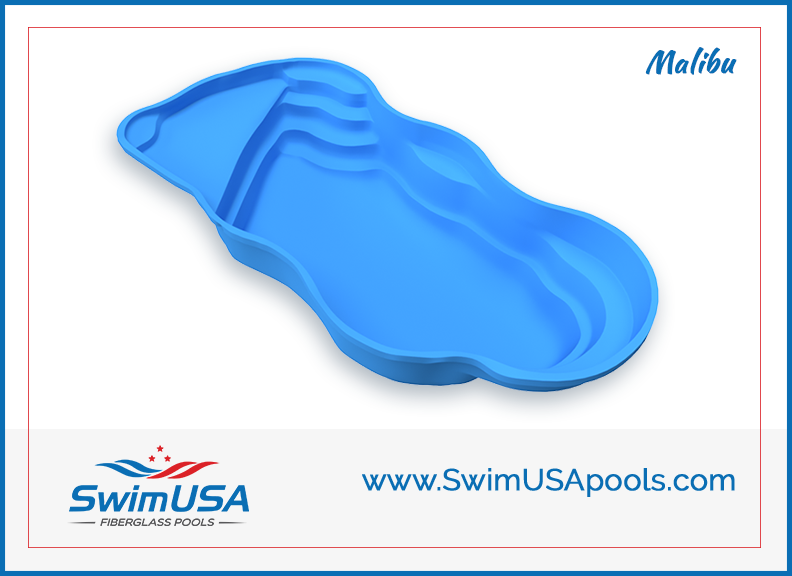
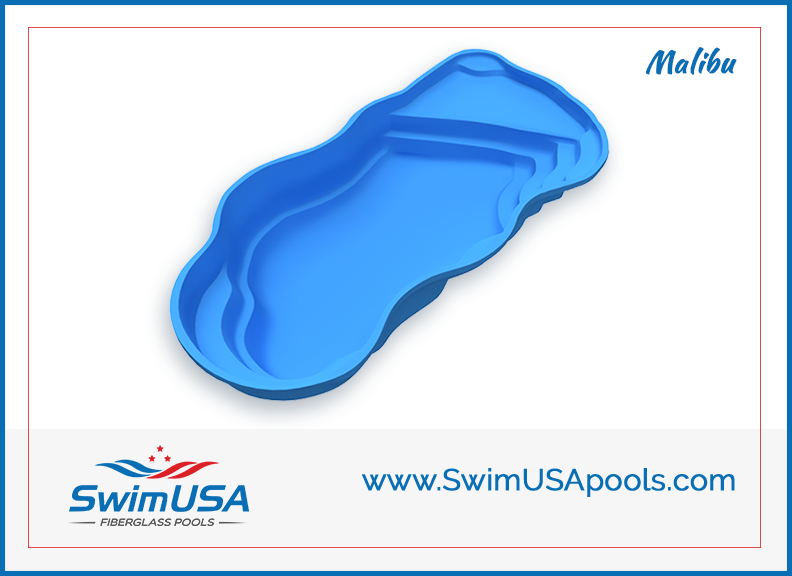
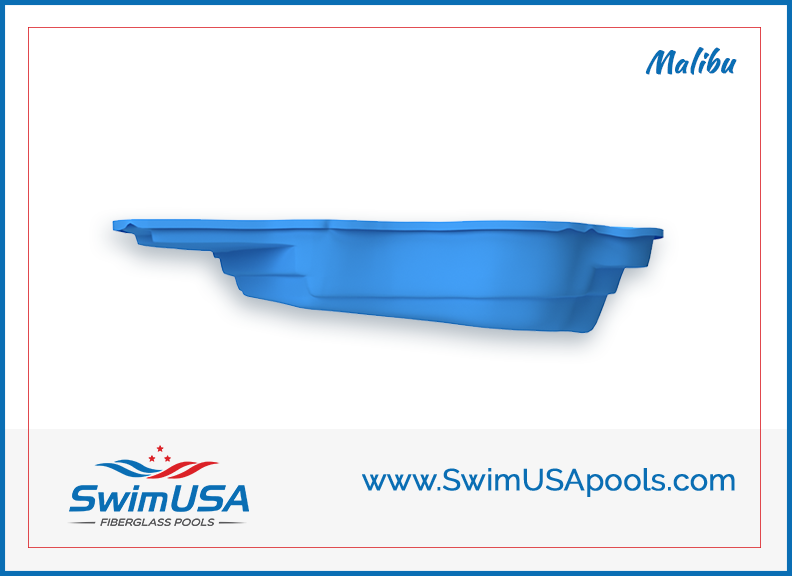
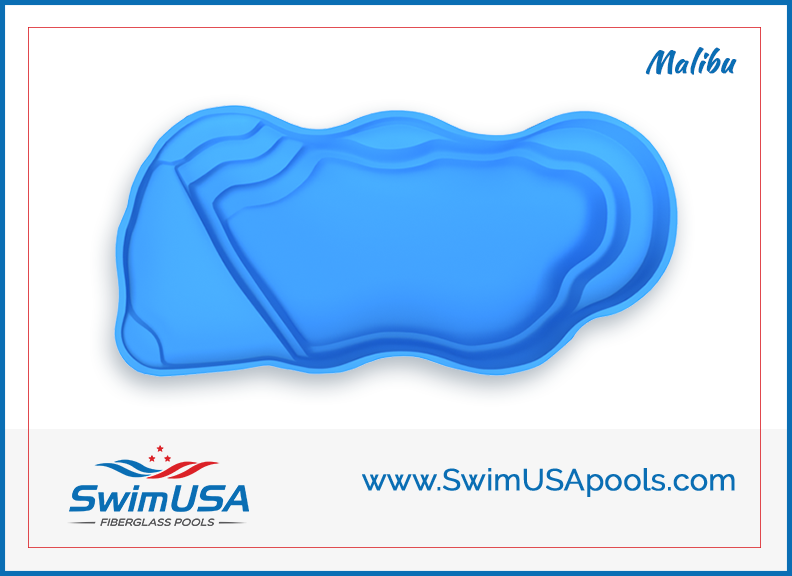
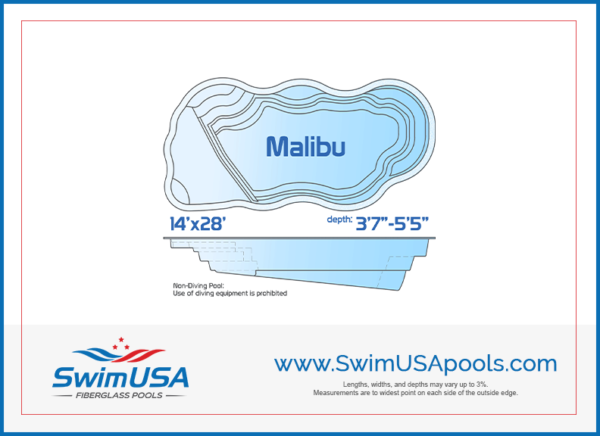
We now supply: Latham, Glimmerglass, Swim USA & Genesis Pool Shells
Inground Pool Cost
Now we are going to really compare apples to apples. A basic 16×32 vinyl pool kit installed cost about 40k, Fiberglass 55k, and cement 80k. Then you can start adding… 15-25k for a patio, 6-8k for a fence around the pool. Add a heater and salt system for 6-7k. Electrical, Lights, Landscaping, you name it. And believe me you can spend a lot more just for accessories.
Inground pool costs will vary from region to region. I’m here in Massachusetts. and we serve neighboring states. The further west you go the more you might expect to spend.
Low Cost Inground Pool Option
There are two great inexpensive inground options I almost overlooked, and if your retirement savings is not on track, you might want to consider them. We sell what are called garden patio pool kits. These are inexpensive vinyl pools with no deep end. Typically they are 52 inches deep, and come in round, oval, rectangle and Grecian. We sell these kits nationally with a 17×32 costing 22k installed. We only install them locally. If you’re interested you can see them for sale here.
Burying a semi-inground pool like the Aquasport 52 for the inground look at roughly $15,000–$25,000 total. I wrote a complete DIY Inground Above Ground Pool guide breaking down exactly how it works.
Wrapping it Up
I’ve been working in and around pools most of my life. I think you will find most pool builders will not argue with anything I’ve said here. Please don’t pay cement pool prices for a vinyl pool. If your in the area I love a chance to give you a fair estimate on a new inground pool. Mike – MGK Pools (978) 710-8667
Frequently Asked Questions
Which is better — fiberglass, vinyl, or gunite?
If money is no object, gunite (cement) is the best inground pool you can build. Period. But fiberglass gives you 90% of the experience at roughly $30K less, it installs in days instead of months, and the surface won’t need resurfacing for 20+ years. Vinyl is the budget option — there’s nothing wrong with it, but you’re replacing the liner every 7–12 years. I sell all three, so I have no agenda here. Check out our fiberglass pool shells from four different manufacturers.
How much does an inground pool actually cost?
For a basic 16×32, you’re looking at roughly $40K for vinyl, $55K for fiberglass, and $80K for gunite. That’s before you add the fun stuff — heaters, waterfalls, automation, landscaping — which can add another $15K–$25K. If those numbers make your eyes water, there’s a fourth option most people don’t know about: burying a semi-inground pool for the inground look at $15K–$25K total. I wrote a full DIY inground above ground pool guide breaking down how it works.
How long does each type of inground pool last?
Gunite pools can last 50+ years with proper maintenance, but the surface (plaster) needs resurfacing every 9–12 years at a cost of $10K–$15K. Fiberglass shells last 25–30+ years with virtually no surface maintenance. Vinyl liner pools last as long as the structure holds up, but you’re replacing the liner every 7–12 years at $3K–$5K installed.
Why are some companies charging gunite prices for vinyl pools?
It’s a trend I’ve been seeing the last few years and it drives me nuts. Vinyl is the cheapest pool to build — the materials cost have been getting higher like, fiberglass. If someone quotes you $70K–$80K for a vinyl liner pool, they’re either padding the price or including a ton of extras. Always ask for an itemized quote. At those prices you should be looking at fiberglass.
Can I install a fiberglass pool myself?
The shell itself requires professional delivery and crane or larger excavator placement — you’re not muscling a 3,000-pound fiberglass shell into a hole by hand. However, if you’re a licensed contractor or experienced tradesperson, I sell fiberglass pool shells from Latham, Glimmerglass, SwimUSA, and Genesis through our DIY contractor program. You handle the excavation and install, I supply the shell and equipment.
Is there a cheaper way to get the inground pool look?
Yes. Certain above ground pools — specifically the Aquasport 52 and Fox Ultimate — are engineered to be buried fully in the ground. With stone coping, a paver patio, and landscaping, the finished product looks identical to a traditional inground pool. Total cost runs $15K–$25K versus $40K–$150K for traditional inground. Read the full breakdown in our semi-inground pool buyers guide.
Do all inground pools require bonding?
Yes — NEC 680.26 requires equipotential bonding on every pool, no exceptions. All metal within five feet of the water must be connected with #8 solid bare copper wire. I sell inground pool bonding kits pre-sized for your pool that can save you $500–$2,000 compared to having an electrician source everything from scratch. Learn more in our pool bonding guide.
Related Reading
- Fiberglass vs Vinyl Inground Pools 2026 – Deep Dive Comparison from a 30-Year Pro
- Semi-Inground Pool vs. Inground Pool: Save $30K – A Real Cost Comparison
- Semi Inground Pool Cost 2026 – Real Prices, Not Ranges
- DIY Inground Above Ground Pool – Get the Look for 75% Less